Home
Home
 WhatsApp
 Call Now
 Contact
Every cough, sneeze, or seasonal flu can worry a whole family, especially when there are children, seniors, or anyone with a long-term illness at home. Many people ask us at Bharat Medical Hall about the best foods to boost immunity so they can stay stronger through the year. Food cannot promise that no one will fall sick, but the right choices can make the body far better prepared to fight germs.
Your immune system is a smart defense team made of cells, tissues, and organs working all day long. For this defense to stay strong, it needs steady fuel in the form of vitamins, minerals, protein, and healthy fats. When daily meals include several immune-supporting foods, white blood cells respond better, barriers in the nose and gut stay firm, and recovery from illness often becomes smoother, as shown by research on the influence of dietary habits on immune function.
As a community-focused healthcare center in Baripada, we see every day how diet, medicines, and lifestyle connect. At Bharat Medical Hall, we support patients with doctor consultations, diagnostic tests, and high-quality supplements when food alone is not enough. This guide walks through 15 science-backed foods that support immune health, along with practical ways to include them in regular meals.
“Let food be thy medicine and medicine be thy food.”
— Hippocrates
Key Takeaways
- A strong immune system depends on steady intake of vitamin-rich and mineral-rich foods, especially those that provide vitamin C, vitamin D, vitamin A, vitamin E, zinc, selenium, and quality protein. Regular intake matters more than occasional large doses.
- The 15 foods to boost immunity in this guide support different parts of the defense system, from the gut and skin to white blood cells and antibodies. No single food does everything, so a varied, colorful plate is important.
- Habits like good sleep, regular movement, and stress control work together with immune-supporting foods. When lifestyle and diet both support the body, infections are easier to handle.
- At Bharat Medical Hall, we offer doctor consultations, diagnostics, and trusted supplements for people who may not get enough nutrients from food alone. Our team helps local families understand which foods boost immunity and when extra support may help.
- Food cannot guarantee that someone will never fall sick, but a mixed and colorful diet, along with vaccines, hygiene, and timely medical care, gives the immune system a strong starting point.
1. Citrus Fruits: Nature’s Vitamin C Powerhouses
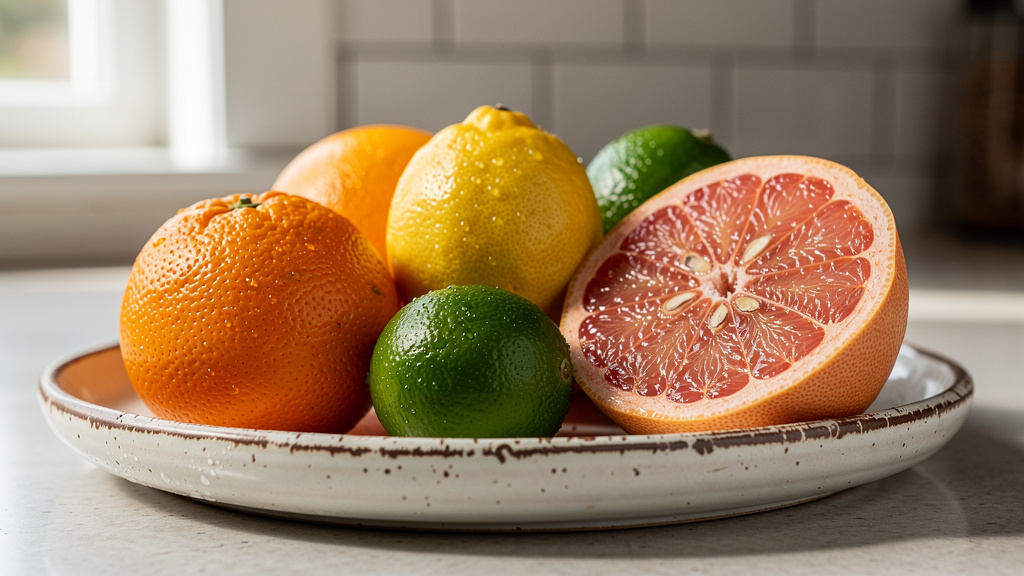
When people think about foods to boost immunity, citrus fruits are usually the first that come to mind. Oranges, lemons, limes, grapefruits, and tangerines are rich in vitamin C, which supports white blood cells as they find and fight germs. Vitamin C also acts as an antioxidant, protecting immune cells while they work.
Because our bodies do not store vitamin C, we need some every day. Regular intake may not stop a cold from starting, but it can help shorten its duration and reduce symptom severity. Helpful ideas include:
- Fresh orange or sweet lime as a snack
- Lemon water with meals
- Citrus segments in salads or curd
2. Red Bell Peppers: The Vitamin C Champion
Red bell peppers quietly beat many citrus fruits in vitamin C content. A small serving can give more vitamin C than an orange, which makes them very useful when planning immunity-boosting meals. They also contain beta-carotene, which the body converts to vitamin A.
Vitamin A helps keep the lining of the nose, throat, and gut healthy so germs have a harder time entering the body. Red bell peppers taste sweet and are easy to add:
- Raw in salads or sandwiches
- Lightly sautéed or stir-fried
- Roasted and mixed with other vegetables
3. Broccoli: A Multivitamin Vegetable
Broccoli is one of the most nutrient-dense vegetables you can serve. In one simple portion, you get vitamin C, vitamin A, vitamin E, fiber, and several antioxidants. This mix supports both quick and more targeted immune responses.
Broccoli also carries sulforaphane, a plant compound that helps calm harmful inflammation. To keep nutrients high, it works best:
- Lightly steamed
- Stir-fried briefly
- Chopped small and added to salads
Pairing broccoli with other immune-supporting foods like carrots or lean chicken makes an easy, balanced family meal.
4. Garlic: Ancient Medicine For Modern Immunity
Garlic has been part of home remedies for generations, and modern research supports these traditions. When garlic is crushed or chopped, it releases allicin and other sulfur compounds that activate immune cells like natural killer cells and macrophages, which attack viruses and bacteria.
Regular garlic intake may lower how often some people catch colds and may also make symptoms milder. For best effect:
- Crush or chop cloves and let them rest a few minutes before cooking
- Add fresh garlic to soups, dals, curries, and stir-fries
For those who dislike the taste, Bharat Medical Hall also stocks garlic capsules, to be used after doctor advice.
5. Ginger: The Anti-Inflammatory Root
Ginger has a warm, sharp taste and a long history in both cooking and medicine. Its main active compound, gingerol, has strong anti-inflammatory and antioxidant actions that support immune function. By calming long-term inflammation, ginger allows immune cells to focus on real threats.
Ginger is often used:
- As ginger tea for sore throats
- To ease nausea or stomach upset during infections
- In curries, soups, and chutneys
Both fresh and powdered ginger can fit easily into busy kitchens.
6. Spinach And Leafy Greens: Nutrient-Dense Immune Boosters
Dark leafy greens such as spinach, kale, collard greens, and Swiss chard are rich in vitamin C, beta-carotene, folate, and iron. These nutrients help immune cells develop properly and function well, while antioxidants protect them during infections.
A little cooking can help the body absorb more vitamin A from these greens. Good options include:
- Light sautéing with garlic and onion
- Gentle steaming
- Stirring into soups or dals at the end of cooking
For people who struggle to eat enough greens, doctors at Bharat Medical Hall may sometimes suggest multivitamins as backup support.
7. Yogurt And Probiotic-Rich Foods: Gut Health Equals Immune Health
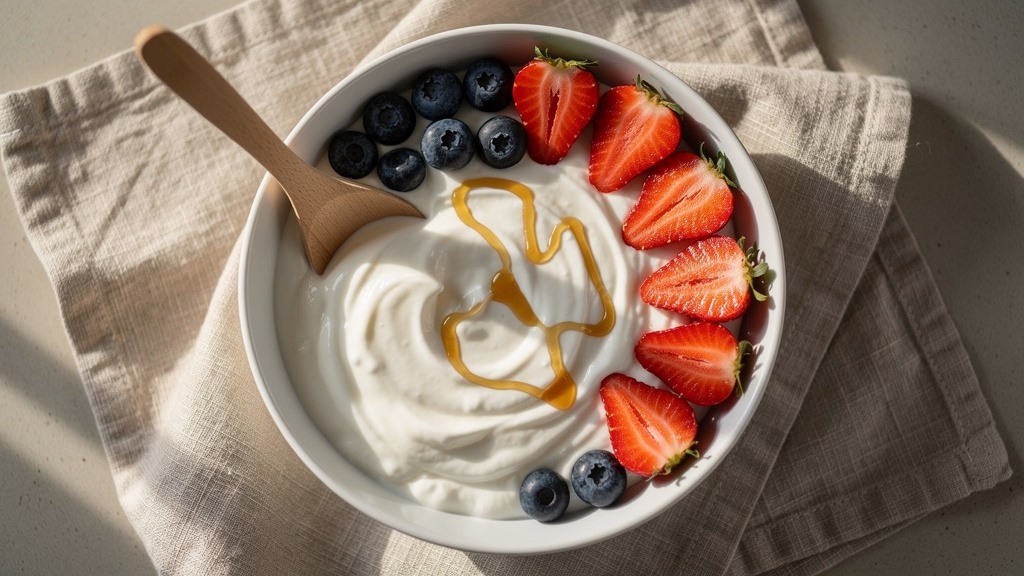
A large part of the immune system sits along the gut, watching what passes through. That is why probiotic-rich foods can be so helpful. Probiotics are friendly bacteria that keep the gut lining healthy and balanced, limiting harmful germs.
Good sources include:
- Yogurt with live and active cultures
- Kefir
- Fermented foods like kimchi, sauerkraut, and miso
Plain yogurt also provides protein, calcium, and sometimes vitamin D. It is better to choose unsweetened yogurt and add fruit or a little honey at home. When food sources are not enough, our team at Bharat Medical Hall can guide patients toward safe, effective probiotic supplements.
8. Almonds And Sunflower Seeds: Vitamin E For T-Cell Function
Vitamin E is a fat-soluble antioxidant that protects the outer layer of cells, including important immune cells called T-cells. Nuts and seeds make it simple to get this nutrient from everyday meals. Almonds, sunflower seeds, and hazelnuts are especially rich sources.
A modest handful of nuts or a spoon of seeds sprinkled on salad or yogurt can provide much of the daily vitamin E need. They also offer healthy fats that help the body use vitamin E properly. Because nuts and seeds are calorie dense, small portions are usually enough.
9. Turmeric: Golden Spice With Immune-Modulating Power
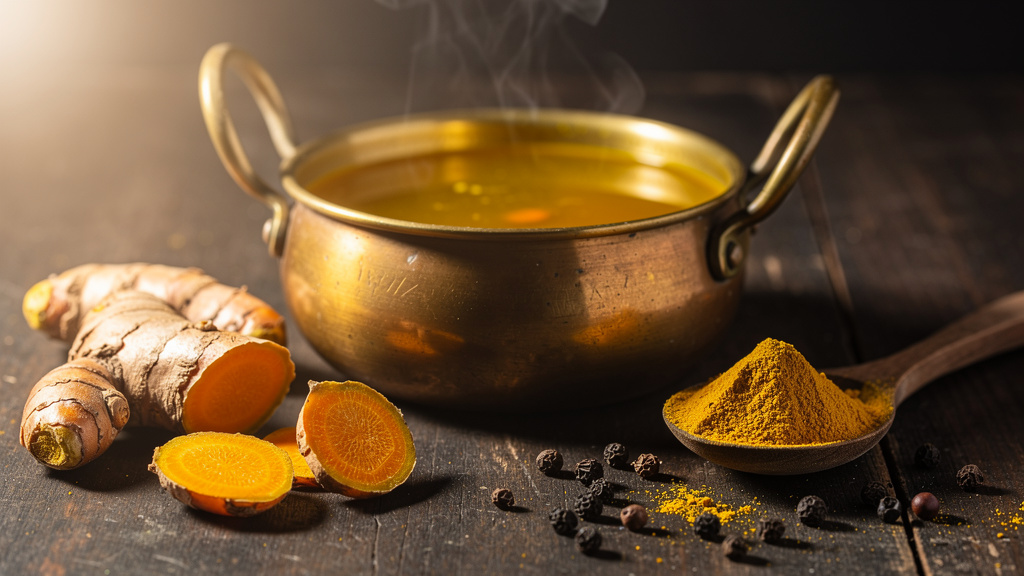
Turmeric is well known for its bright yellow color and its role in many Indian dishes. Its key compound, curcumin, interacts with several types of immune cells, including T-cells, B-cells, and macrophages. This helps keep the immune response strong against germs while reducing unnecessary overreaction.
Curcumin also has antioxidant and antiviral actions. One helpful tip is to combine turmeric with black pepper, which contains piperine and improves curcumin absorption. Turmeric fits easily into:
- Curries and lentil dishes
- Soups and stews
- Warm milk at night
For people who need higher intake, turmeric supplements are available at Bharat Medical Hall, with doctors advising on safe use alongside regular medicines.
10. Green Tea: Antioxidant-Rich Immune Enhancer
Green tea is one of the easiest daily immune-supporting drinks. It is rich in EGCG, a strong antioxidant that supports immune cell function and may help regulatory T-cells. Green tea also contains L-theanine, an amino acid that supports the making of germ-fighting compounds.
Because green tea is steamed and less processed, more delicate antioxidants remain intact. Two to three cups spread across the day work well for most adults. It is best taken with little or no sugar to keep the benefits high.
11. Fatty Fish: Omega-3s For Anti-Inflammatory Support
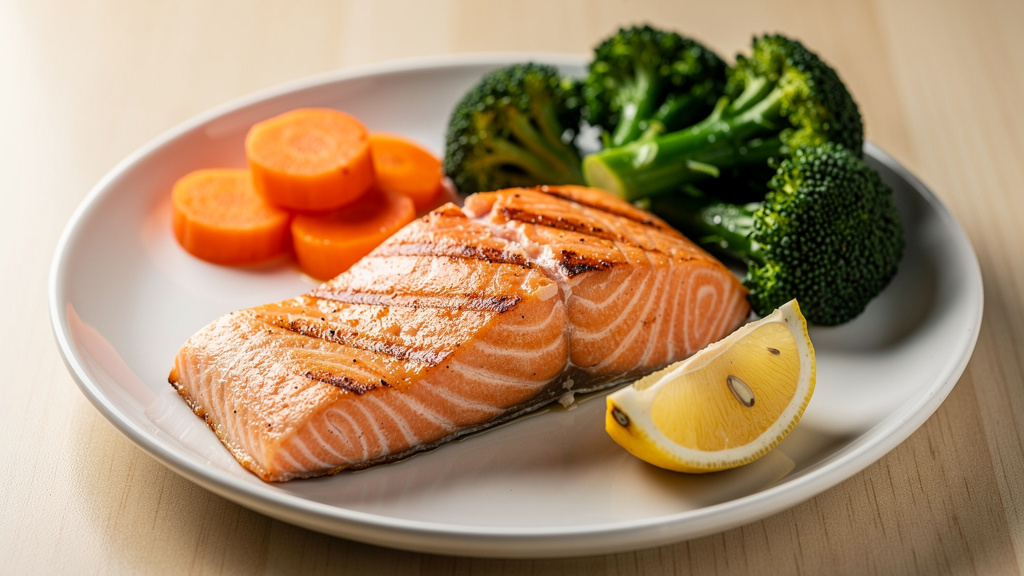
Fatty fish such as salmon, mackerel, sardines, tuna, and herring are rich in omega-3 fatty acids. These healthy fats help calm long-term inflammation so the immune system can focus on sudden infections instead of constant background stress. Omega-3s also support heart and brain health.
Fatty fish provide high-quality protein and vitamin D, both helpful for building and repairing immune cells. Many nutrition guidelines suggest eating fatty fish two or three times a week. For those who do not like fish or follow vegetarian diets, omega-3 capsules are an option, and our pharmacy at Bharat Medical Hall carries trusted brands.
12. Sweet Potatoes And Carrots: Beta-Carotene For Barrier Function
Bright orange vegetables like sweet potatoes, carrots, pumpkin, and butternut squash are full of beta-carotene. The body turns beta-carotene into vitamin A, which supports the skin and the lining of the lungs and gut. These surfaces act as the first shield against germs that enter through air or food.
Vitamin A also supports lymphocytes and T-cells during more targeted immune responses. Cooking these vegetables with a little healthy fat, such as mustard oil or olive oil, helps the body absorb beta-carotene better. Roasting, mashing, or adding them to soups makes them easy for children and seniors to enjoy.
13. Mushrooms: Fungal Immune Modulators
Mushrooms bring a special set of compounds that support immune health. Many varieties contain beta-glucans, a type of polysaccharide that gently activates key immune cells so the body can respond faster when real infections appear.
Common mushrooms like white button, shiitake, and maitake also provide selenium and B vitamins such as riboflavin and niacin. These nutrients support steady energy for immune cells. When mushrooms are exposed to sunlight, their vitamin D content can increase. They taste good sautéed, in soups, or used as a partial meat substitute. For people needing more concentrated support, mushroom-based supplements are available at Bharat Medical Hall under medical guidance.
14. Poultry: Protein And B-6 For Immune Cell Production
Chicken and turkey are familiar foods to boost immunity because they provide both protein and vitamin B-6. Protein supplies building blocks for antibodies and new immune cells, which the body needs in higher amounts during and after infections. Vitamin B-6 supports many reactions that keep the immune system working smoothly.
Chicken soup has long been used as comfort food during colds. The warm broth provides fluid, minerals, and easy-to-digest protein, which can help during illness. Bone broth made from poultry also supplies extra nutrients from cartilage and bone. Grilled, baked, or boiled poultry with plenty of vegetables makes a balanced meal for recovery.
15. Eggs: Complete Protein With Immune-Active Components
Eggs are one of the most affordable and convenient immune-supporting foods. They provide complete protein with all essential amino acids needed to build and repair tissues. Eggs also supply vitamin A, vitamin D, vitamin B-12, selenium, and zinc, all important for steady immune function.
Egg whites contain lysozyme, a compound with natural antibacterial activity. For most healthy people, moderate egg intake fits safely into the diet. Boiled, poached, or scrambled eggs, or vegetable omelets, make quick and nourishing meals. When available, eggs enriched with omega-3 fats add even more support.
Lifestyle Habits That Amplify Your Immune-Boosting Diet

Food is a powerful tool, but it works best alongside steady daily habits, particularly since research shows that functional foods in clinical applications demonstrate enhanced effectiveness when combined with healthy lifestyle choices. We often tell patients that foods to boost immunity are like strong bricks, and lifestyle habits are the cement that holds them together. When both are present, the whole structure feels steadier and more resistant to illness.
“Eat food, not too much, mostly plants.”
— Michael Pollan
Get Adequate Sleep
Most adults need 7–9 hours of good-quality sleep each night. During deep sleep, the body repairs tissues and produces more immune cells and signaling proteins. Long-term sleep loss makes infections easier to catch and harder to recover from.
Exercise Regularly
Regular movement helps immune cells travel through the blood and lymph system. Around 30 minutes of moderate activity on most days—such as brisk walking, cycling, or light aerobics—is a practical target. Even short, frequent walks are better than long periods of sitting.
Manage Stress Effectively
Ongoing stress releases hormones that slow parts of the immune system. Simple practices can help, such as:
- Slow, deep breathing
- Short meditation or prayer
- Listening to music
- Quiet time in natural surroundings
Doctors at Bharat Medical Hall can guide patients toward safe methods when worry or sadness feels heavy.
Practice Good Hygiene
Regular handwashing with soap and water is still one of the best ways to block germs. It is especially important:
- Before eating or cooking
- After using the toilet
- After returning from crowded places
Good hygiene lowers the number of infections your immune system must handle.
Stay Hydrated
Water helps carry nutrients to every cell and clear waste products from the body. It also keeps the nose and throat moist so they can trap germs more easily. Sipping plain water throughout the day is a simple but powerful support for immune health.
How We At Bharat Medical Hall Support Your Immune Health Plan
At Bharat Medical Hall, we meet many families from Baripada and nearby areas who want clear, practical guidance on staying healthy. Our multi-specialty doctors spend time understanding medical history, current diet, and lifestyle before giving advice on foods to boost immunity or suggesting supplements. This personal approach helps us give recommendations that fit real daily routines.
Because we have diagnostics, pharmacy services, and consultations under one roof, we can check for vitamin D, vitamin B-12, or iron deficiency when needed. If tests show low levels, our doctors prescribe the right dose, and our pharmacy provides trusted brands of vitamins, minerals, probiotics, omega-3s, and herbal support. We also explain how to combine these with regular medicines safely.
For people with busy schedules or limited mobility, our WhatsApp-based medicine ordering system saves time. There is no need for extra apps or long waits, and refills for long-term medicines or immune-supporting supplements can reach patients with minimal effort. As a local medical hall, we feel responsible for the long-term health of our community and are always ready to answer questions and guide families toward safer, stronger habits.
Conclusion
A strong immune system depends on steady support rather than quick fixes. When the daily diet includes several foods to boost immunity—such as citrus fruits, leafy greens, yogurt, nuts, turmeric, fish, eggs, and more—the body receives a wide range of vitamins, minerals, and helpful plant compounds. These work together to support barriers, white blood cells, and recovery processes.
No single food or supplement can promise perfect protection, yet a mixed and colorful plate, combined with sleep, movement, stress control, hygiene, and vaccines, gives the immune system its best chance to work well. Small steps, like adding one new food or habit each week, can lead to big gains over time. At Bharat Medical Hall, we are honored to support our Baripada community with clear information, reliable products, and caring medical guidance.
FAQs
Can These Foods Prevent Me From Getting Sick?
These foods to boost immunity support the body, but they cannot stop every infection. They help white blood cells and body barriers work better so germs have a harder time causing serious illness. Regular intake over months is more helpful than rare large amounts. Vaccines and timely medical care remain important for protection from specific diseases.
Should I Take Immune-Boosting Supplements If I Eat A Healthy Diet?
Many people can meet their needs through a mixed diet that includes several immune-supporting foods. However, seniors, people with chronic illnesses, strict vegetarians, or those with poor appetite may still fall short on some nutrients. Doctors at Bharat Medical Hall can look for possible gaps and suggest tests where needed. In such cases, supplements can support health but should not replace real food.
How Quickly Will I See Results From Eating These Immune-Boosting Foods?
Immune strength builds over time, much like physical fitness. Some people may notice better energy or digestion within days of improving diet and hydration. Stronger resistance to infections usually comes from weeks and months of steady habits. The aim is long-term protection, not overnight change.
Are There Any Foods I Should Avoid To Maintain A Strong Immune System?
A diet high in sugary drinks, sweets, and heavily processed snacks can increase inflammation and strain the immune system, with research demonstrating that a pro-inflammatory diet and the resulting chronic inflammation can weaken immune responses. Very high alcohol intake also slows immune responses. It helps to limit processed meats and deep-fried foods when possible and focus more on whole, fresh ingredients.
Can Children And Seniors Eat All Of These Foods Safely?
Most of the foods to boost immunity listed here are safe for both children and older adults when served in suitable textures and portions. Hard nuts should be given carefully to young children to avoid choking, and high-fiber foods may need slow introduction for some seniors. Anyone with allergies or special medical conditions should speak with doctors at Bharat Medical Hall before making big diet changes.