Home
Home
 WhatsApp
 Call Now
 Contact
Someone feels tired all the time, starts gaining weight even though meals have not changed, and friends say they seem more “down” than usual. Another person in the same family loses weight without trying, feels hot even in cool weather, and notices a racing heartbeat. Both may be dealing with the same hidden issue – thyroid problem symptoms.
Thyroid disorders affect millions of people across India and the world, and women are affected far more often than men. The tricky part is that thyroid disease signs usually appear slowly. Many people blame them on age, stress, busy work schedules, or “just hormones,” and live with them for years without answers. This is why so many thyroid gland problems go undiagnosed for a long time.
The thyroid is a small gland in the neck, but it has a big job. It controls how fast the body uses energy, how warm or cold a person feels, how fast the heart beats, and even how clear the mind feels. When the gland is underactive, people notice low thyroid symptoms such as tiredness, weight gain, and feeling cold. When it is overactive, overactive thyroid symptoms include anxiety, weight loss, heat intolerance, and a fast heartbeat.
For people in and around Baripada, this can feel worrying, especially when work, family, and elders all depend on them. Bharat Medical Hall acts as a local health partner by offering doctor consultations, thyroid blood tests, and easy access to long-term medicines under one roof, with home sample collection and medicine delivery for extra comfort.
By reading this article, you will learn how to recognise early signs of thyroid problems, understand the difference between hypothyroidism and hyperthyroidism symptoms, know when to see a doctor, and see how Bharat Medical Hall in Baripada can support regular testing and treatment. The aim is simple – clear information, practical guidance, and the reassurance that thyroid disorders are very treatable when found and managed early.
As many clinicians like to remind patients, “When one small gland goes wrong, the whole body can feel out of balance.”
Key Takeaways
- Thyroid disorders are common, especially in women over 35, and thyroid problem symptoms often build up slowly, so many people ignore them for years. Knowing the common thyroid disease signs helps people notice patterns instead of blaming everything on stress or age.
- An underactive thyroid (hypothyroidism) slows body processes and leads to low energy, weight gain, feeling cold, constipation, heavy periods, and low mood. Overactive thyroid symptoms (hyperthyroidism) are almost the opposite, with fast heartbeat, weight loss, heat intolerance, anxiety, and frequent bowel movements.
- Thyroid issues in women often affect menstrual cycles, fertility, pregnancy, and menopause-like symptoms, which is why women with period changes, difficulty conceiving, or early menopause should consider a thyroid check.
- Proper diagnosis depends on simple blood tests such as TSH, free T4, and sometimes free T3 and thyroid antibodies. These thyroid test checks are quick, non-invasive, and give a clear picture of what the gland is doing.
- Most thyroid disorder symptoms can be controlled very well with medicines, regular monitoring, and lifestyle support. Many people feel a big improvement in thyroid fatigue symptoms, mood, and weight once levels are corrected.
- Bharat Medical Hall in Baripada offers a complete support system for thyroid care, including diagnostic tests, consultations with a General Medicine Specialist, allopathic and Ayurvedic thyroid medicines, home sample collection, and WhatsApp-based ordering and booking.
- With the right help at the right time, people with thyroid gland problems can lead active, comfortable lives, without letting symptoms control their day.
What Is The Thyroid Gland And Why Does It Matter?
The thyroid gland is a small, butterfly-shaped organ at the base of the neck, just below the Adam’s apple. It may be small, but it acts like the body’s internal thermostat and energy control centre. It produces two main hormones called T3 (triiodothyronine) and T4 (thyroxine), which travel in the blood to every organ.
These hormones decide how fast cells use energy. They affect:
- Heart rate and circulation
- Breathing and oxygen use
- Body temperature
- Digestion and bowel movements
- Muscle strength
- Mental focus and mood
When levels are balanced, people usually feel energetic, steady in weight, and mentally clear. When there is a problem, a wide range of thyroid disorder symptoms can appear, from tiredness and hair changes to mood shifts and heart issues.
The thyroid does not work alone. A small gland in the brain called the pituitary watches hormone levels in the blood and releases Thyroid-Stimulating Hormone (TSH). TSH acts like a messenger that tells the thyroid to speed up or slow down hormone production. If T4 is low, TSH rises to push the thyroid to work harder. If T4 is high, TSH falls to tell the gland to slow down.
Thyroid gland problems begin when this fine balance is disturbed. The gland may produce too little hormone (underactive thyroid) or too much hormone (overactive thyroid), or it may grow lumps (nodules), swell (goitre), or rarely develop cancer. Because thyroid hormones touch almost every system, the resulting thyroid problem symptoms can appear in many different parts of the body. Understanding how this tiny gland works is the first step to spotting trouble early and asking for the right tests.
What Are The Main Types Of Thyroid Disorders?
Thyroid disorders are common, especially in women and older adults, but they do not all look the same. Some conditions affect how much hormone the gland makes, while others change the size or structure of the gland itself. This is why thyroid disease signs can vary so widely between people.
The main functional problems are:
- Hypothyroidism – hormone levels are too low
- Hyperthyroidism – hormone levels are too high
There are also structural conditions such as:
- Goitre – general swelling of the gland
- Thyroid nodules – single or multiple lumps
- Thyroiditis – inflammation of the gland
- Thyroid cancer – rare but important to detect early
Some conditions are long term and need lifelong care, while others are short term and settle over months. Because symptoms overlap with many other illnesses, guessing based on internet searches or using home remedies instead of seeing a doctor can be risky. Blood tests and, if needed, scans help doctors find the exact cause and plan suitable treatment. The good news is that most thyroid conditions can be managed well with regular care.
A simple comparison helps:
| Type | Hormone Levels | Common Signs |
|---|---|---|
| Hypothyroidism | Low | Tiredness, weight gain, feeling cold, constipation |
| Hyperthyroidism | High | Weight loss, fast heartbeat, feeling hot, anxiety |
| Goitre / Nodules | Normal / High / Low | Neck swelling, throat tightness, swallowing issues |
| Thyroiditis | High then low, often back to normal | Neck pain (sometimes), swinging symptoms |
| Thyroid Cancer | Often normal | Firm neck lump, hoarseness, lymph node swelling |
Hypothyroidism (Underactive Thyroid)
Hypothyroidism means the thyroid does not make enough hormone for the body’s needs. As a result, metabolism slows down and underactive thyroid symptoms appear across different systems. People often feel tired, sluggish, and cold, and may gain weight even when eating normally.
The most common cause is Hashimoto’s thyroiditis, an autoimmune condition where the immune system slowly attacks the thyroid gland. Over time, the gland cannot keep up, and low thyroid symptoms appear. Hypothyroidism is more frequent in women, especially over 60, and it often runs in families. Previous thyroid surgery, radiation to the neck, iodine deficiency, or certain medicines such as lithium can also lead to an underactive thyroid.
Symptoms usually develop slowly over years, so many people think they are just “getting older.” Early detection through simple blood tests is very important to prevent heart disease, high cholesterol, and other complications. The comforting part is that hypothyroidism is usually simple to control with a daily hormone tablet, with regular checks to keep levels in range.
Hyperthyroidism (Overactive Thyroid)
Hyperthyroidism is the opposite problem. The thyroid produces more hormone than the body needs, and this speeds up almost every process. Overactive thyroid symptoms include a fast heartbeat, weight loss, anxiety, shaking hands, and trouble sleeping. Many people also feel hot all the time and sweat more than usual.
The leading cause is Graves’ disease, another autoimmune condition in which the immune system sends constant “go faster” signals to the thyroid. Hyperthyroidism affects women far more than men, often between the ages of 20 and 40. Other causes include nodules in the thyroid that act like little overactive factories, and short-term inflammation of the gland called thyroiditis.
Because metabolism is speeded up, hyperthyroidism symptoms often appear more quickly than hypothyroidism symptoms. If ignored, they can strain the heart and raise the risk of serious rhythm problems and bone thinning. Treatment options include antithyroid medicines, radioactive iodine therapy, and in some cases surgery. With proper care, most people get good control of their symptoms and feel steady again.
Other Thyroid Conditions
Not all thyroid problems are about hormone levels alone. Some conditions mainly affect the size or structure of the gland, though they can also change hormone production.
- Goitre is a general enlargement of the thyroid gland. It may happen due to iodine deficiency, autoimmune disease, or hormone imbalance. A small goitre may cause no trouble, but a large one can press on the windpipe or food pipe, making breathing or swallowing harder.
- Thyroid nodules are lumps inside the gland. They are very common, and most are benign, but any nodule needs medical assessment. Some nodules make excess hormone and cause hyperthyroidism, while a small number may be cancerous. Symptoms can include a visible neck lump, tightness in the throat, or discomfort.
- Thyroiditis is inflammation of the gland. It can be painless, as in silent or postpartum thyroiditis, or painful, as in subacute thyroiditis after a viral infection. Thyroiditis often causes a short period of hyperthyroidism followed by a phase of hypothyroidism before the gland settles.
- Thyroid cancer is rare but usually treatable, especially when found early. The most common type is papillary carcinoma. Warning signs include a firm neck lump, hoarseness, enlarged neck glands, or trouble swallowing. Any new or persistent swelling in the neck should be checked by a doctor as soon as possible.
What Are The Common Symptoms Of Hypothyroidism?

Hypothyroidism symptoms build slowly and can affect almost every organ. Many people think they are just dealing with stress, ageing, or a busy lifestyle. This is why a clear thyroid symptoms checklist can be very helpful. People rarely have all the signs, and the severity can vary, but noticing several low thyroid symptoms together is a strong reason to ask for a thyroid test.
Typical symptoms include:
- Deep tiredness and low energy
- Thyroid weight gain and fluid retention
- Feeling cold when others feel fine
- Dry skin, hair loss, and brittle nails
- Constipation and bloating
- Heavy periods and menstrual changes
- Low mood, brain fog, and memory problems
Because these signs touch so many parts of life, they can affect work, family duties, and emotional health.
Bharat Medical Hall’s diagnostic centre in Baripada offers thyroid function tests that help turn these scattered complaints into a clear diagnosis. Once diagnosed, most people feel a steady improvement over weeks to months as hormone levels move into the normal range.
Fatigue And Low Energy Levels
Tiredness is one of the most frequent hypothyroidism symptoms. This is not just feeling sleepy at the end of a busy day. People often describe a deep exhaustion that does not improve with rest or a full night’s sleep. Simple tasks such as climbing stairs, cooking, or walking to the market may start to feel tiring.
Because metabolism is slow, cells do not produce energy efficiently, and the body “runs on low battery” all day. This thyroid fatigue symptoms pattern can make it hard to focus at work, care for children, or enjoy social life. Once treatment starts and hormone levels improve, most people notice that their energy gradually returns.
Unexplained Weight Gain And Difficulty Losing Weight
Many people with hypothyroidism notice slow, steady weight gain without eating more than usual. The reduced metabolism means the body burns fewer calories, even at rest. This can lead to extra kilos, often in the range of 2–5 kg in mild cases, but sometimes more in severe disease.
Some of this weight is due to extra fat, and some is due to fluid retention, which makes the body look puffy. People often find that usual diet and exercise plans do not help much until the thyroid is treated. Once hormone levels return to normal, managing weight becomes easier, especially with healthy food choices and regular movement.
Increased Sensitivity To Cold
Feeling cold all the time is another classic sign of an underactive thyroid. With less hormone, the body produces less heat, so hands and feet may always feel chilly. Some people need sweaters or shawls even in warm weather or prefer hotter bath water than before.
This cold intolerance can be very noticeable during winter months, when others in the family may be comfortable in light clothes. After starting thyroid medicine, many people find they slowly return to their earlier comfort level with temperature.
Skin, Hair, And Nail Changes
Hypothyroidism does not only affect how a person feels inside; it also shows on the outside. Skin often becomes dry, rough, and flaky because sweat and oil production drop. In some cases, the skin may look pale or slightly yellow, and small wounds may take longer to heal.
Hair can become dry, coarse, and more fragile. Many people notice thinning hair or patchy thyroid hair loss, including loss of the outer part of the eyebrows. Nails may grow slowly and break easily, with ridges along their length. The face may appear puffy, especially around the eyes, and features can seem heavier.
These visible changes can affect self-confidence. The good news is that, with proper treatment, skin usually regains moisture, hair regrowth improves, and nails strengthen over time.
Cognitive And Mental Health Symptoms
Thyroid hormones play an important role in brain function, so low levels can affect thinking and mood. Many people with hypothyroidism describe “brain fog” – trouble focusing, forgetting simple things, and feeling mentally slow. Tasks that once felt easy may now feel like hard work.
Depression or a constant low mood is also common. Some people feel tearful, hopeless, or lose interest in activities they once enjoyed. Speech and movements may slow down, and decision-making can feel tiring. Anxiety may appear alongside depression, adding to the distress.
Because these symptoms are often treated as pure mental health problems, the thyroid is sometimes missed. That is why doctors often include thyroid tests when checking causes of depression or memory problems. When hormone levels improve, many people notice a clear lift in mood and thinking power.
Muscle, Joint, And Pain Symptoms
Hypothyroidism can make muscles and joints feel stiff, sore, and weak. People may notice difficulty climbing stairs, getting up from a chair, or lifting heavy objects. Muscles can cramp easily, especially in the legs and feet.
Some people develop pain, tingling, or numbness in the hands and fingers, similar to carpal tunnel syndrome. Because these pains can look like arthritis or fibromyalgia, they are sometimes misdiagnosed. Treating the thyroid problem often reduces these aches and helps restore strength.
Cardiovascular And Circulatory Effects
Low thyroid hormone slows the heart, a condition called bradycardia. People may feel as if their pulse is slower and may notice reduced stamina during walking or climbing. At the same time, hypothyroidism can raise cholesterol levels in the blood, which increases the long-term risk of heart disease.
Blood pressure can be affected in both directions. Some people develop low blood pressure due to the slow heart rate, while others develop high blood pressure because arteries become stiffer. These changes may not be obvious right away but can be serious over time. Regular heart checks and blood tests at centres such as Bharat Medical Hall’s diagnostic unit help keep these risks under control.
Digestive, Reproductive, And Other Symptoms
A slow metabolism also slows the digestive system. This often leads to constipation that does not improve much with extra water or fibre alone. People may feel bloated, uncomfortable, or need to strain during bowel movements.
In women, hypothyroidism can cause irregular, heavy, or prolonged periods and may reduce fertility. Libido often falls in both men and women, affecting intimacy and relationships. Some people notice hoarseness or a deeper voice, slowed reflexes, or more frequent infections due to a weakened immune response.
When the thyroid condition is treated properly, most of these problems gradually improve. This is why it is so important not to ignore clusters of these signs.
What Are The Common Symptoms Of Hyperthyroidism?
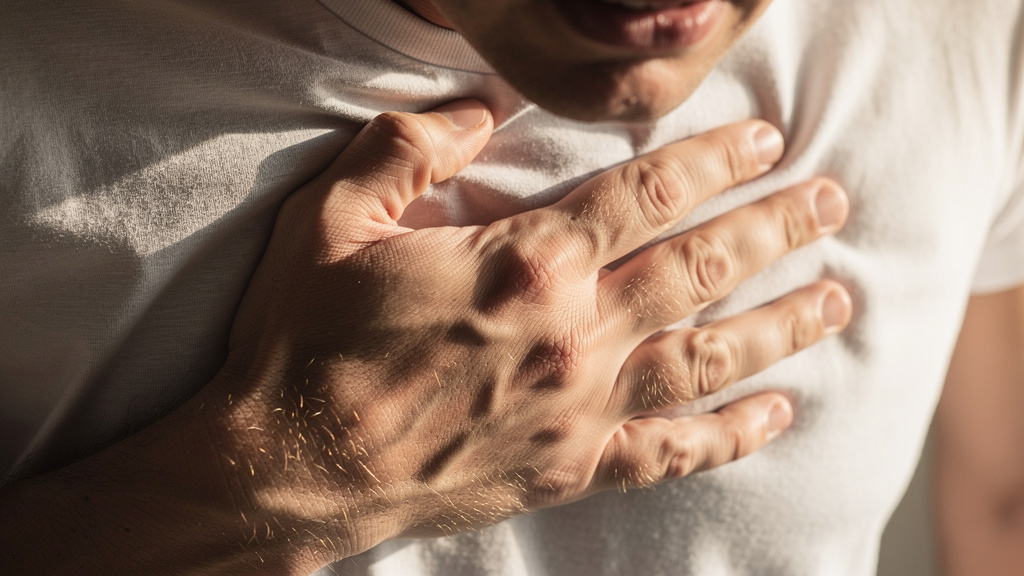
Hyperthyroidism symptoms are often more “dramatic” and appear faster than those of hypothyroidism. Because the body’s engine is running too fast, many people feel as if they are always on the go, even when they are resting. The thyroid problem symptoms in this case are linked to a racing metabolism.
Common hyperthyroidism symptoms include:
- Unintended weight loss
- Fast or irregular heartbeat
- Anxiety and irritability
- Shaky hands and muscle weakness
- Heat intolerance and excess sweating
- Frequent bowel movements
- In some people, eye changes such as bulging or dryness
If left untreated, these overactive thyroid symptoms can strain the heart and bones.
Recognising these early signs of thyroid problems and seeking quick medical advice is very important. Simple blood tests at a clinic such as Bharat Medical Hall’s diagnostic centre can confirm the diagnosis and guide safe treatment.
Unintentional Weight Loss Despite Normal Or Increased Appetite
Many people with hyperthyroidism lose weight without trying. They may even feel hungrier than usual and eat more, yet still see the number on the scale drop. This happens because the body burns calories at a much higher rate, even when resting.
For some, the increased appetite can be strong enough that weight stays stable or even rises, which can be confusing. However, most people notice looser clothes, a thinner face, or comments from friends about appearing slimmer. This clear difference from thyroid weight gain in hypothyroidism helps doctors separate the two conditions. Once treatment controls hormone levels, weight usually settles.
Rapid Or Irregular Heartbeat And Cardiovascular Symptoms
The heart is very sensitive to thyroid hormones. In hyperthyroidism, the heart often beats faster than normal, even at rest. People may feel their heart racing, pounding, or skipping beats, a sensation called palpitations. A resting heart rate above 100 beats per minute is common.
Some develop an irregular rhythm, such as atrial fibrillation, which increases the risk of stroke. Blood pressure may also rise, and chest discomfort can appear, especially in older adults or those with existing heart disease. Because these signs can be dangerous, anyone with ongoing palpitations, chest pain, or very fast pulse should seek urgent medical care. Bharat Medical Hall offers ECG testing and blood pressure checks to help assess such symptoms promptly.
Nervousness, Anxiety, And Emotional Changes
Excess thyroid hormone acts like too much “body caffeine.” People often feel nervous, restless, and “on edge.” They may have sudden mood swings, become easily irritated, or feel unable to relax even during quiet times.
Anxiety and panic attacks can appear, sometimes in people who never had them before. Hands may tremble, especially when holding objects, and sleep becomes difficult, even though the person feels tired. These emotional and nervous system effects are real physical responses to the hormone excess, not personal weakness. As thyroid levels move back to normal with treatment, mood and sleep usually improve.
Heat Intolerance And Excessive Sweating
Just as an underactive thyroid makes people feel cold, an overactive thyroid makes them feel too warm. Many people with hyperthyroidism cannot tolerate heat. They may sweat heavily, even when others feel comfortable, and often prefer fans or cooler rooms.
Hot flushes, night sweats, and needing very light clothing even in cooler weather are common complaints. This constant sense of overheating can disturb sleep and daily comfort. Once hormone levels are controlled, temperature sensitivity tends to settle.
Increased Bowel Movements And Digestive Changes
The digestive system also speeds up in hyperthyroidism. This often leads to more frequent bowel movements, loose stools, or even diarrhoea. People may feel they need to visit the toilet several times a day, which can be inconvenient and embarrassing.
These changes clearly differ from the constipation seen with an underactive thyroid. They can also lead to dehydration and weight loss if severe. Treatment that brings thyroid hormone back to normal usually returns bowel patterns to their earlier state.
Muscle Weakness And Fatigue
Although the body seems overactive, people with hyperthyroidism often feel very weak. Muscles, especially in the upper arms and thighs, may lose strength. Climbing stairs, getting up from a low seat, or lifting objects can become hard.
The body is working too hard for too long, which is draining. Poor sleep adds to this tiredness. Many people are surprised to feel both wired and exhausted at the same time. As treatment takes effect, muscle strength slowly returns and everyday tasks become easier.
Eye Changes And Thyroid Eye Disease
In Graves’ disease, the same immune process that affects the thyroid gland can also affect the tissues around the eyes. This condition is known as thyroid eye disease or Graves’ ophthalmopathy. It can cause a wide range of eye symptoms.
Eyes may bulge forward, giving a staring or surprised look. People can have dryness, redness, watering, a gritty feeling, or sensitivity to light. Some find it hard to close their eyes fully while sleeping, which worsens dryness. Double vision, eye pain, or a feeling of pressure behind the eyes may also appear.
These changes can develop slowly and are sometimes first noticed by family members. Eye problems may continue or even worsen for a time, even after thyroid levels in the blood look normal. That is why people with eye symptoms should see an eye specialist as well as a thyroid doctor. Treatment may include lubricating drops, medicines, special glasses, or in some cases surgery.
Skin, Hair, And Physical Changes
Hyperthyroidism can thin the skin, making it feel smooth but fragile. Small injuries may mark easily. Hair often becomes fine and soft but may thin or fall out in patches, which can be very upsetting.
Many people develop a visible goitre, a swelling at the base of the neck, which may move when swallowing. The face can look flushed, and hands may show a fine tremor when stretched out. Nails may grow faster but can be weak and break easily. While these physical changes can affect self-esteem, they usually improve once treatment begins and hormone levels are better controlled.
How Do Thyroid Symptoms Differ Between Men And Women?
Thyroid disorders affect both men and women, but women are five to ten times more likely to develop them. Hormones related to the menstrual cycle, pregnancy, and menopause can interact with thyroid hormones and make thyroid issues in women harder to spot. Many women are told that their symptoms are “just hormones,” when in fact the thyroid needs checking.
In men, thyroid disease is less expected, so diagnosis is often delayed until symptoms are quite marked. However, thyroid problems in men can strongly affect sexual health, muscle strength, and heart function. Understanding these gender differences helps families look out for one another and seek proper testing.
In Baripada and nearby areas, Bharat Medical Hall regularly supports both women and men with thyroid testing, medication refills, and counselling. Recognising patterns early can prevent years of silent suffering.
A common teaching in clinics is, “Think of the thyroid when many systems go wrong in a single person.”
Thyroid Symptoms Specific To Women
Thyroid hormones play a major role in controlling the menstrual cycle. When hormone levels are low, periods can become heavier, longer, and more painful. Cycles may become irregular, with long gaps or frequent bleeding, and premenstrual mood changes can feel much stronger than before. When hormone levels are high, periods may become lighter, shorter, or even stop for months.
Both hypo- and hyperthyroidism can disturb ovulation. This makes it harder to conceive and increases the risk of early miscarriage if pregnancy does occur. Women trying to become pregnant who notice other thyroid problem symptoms should strongly consider a thyroid check. Good control of thyroid levels before and during pregnancy helps protect both mother and baby.
Untreated thyroid disorders in pregnancy can lead to problems such as high blood pressure (pre-eclampsia), premature birth, low birth weight, and later developmental problems in the child. Thyroid medicines, when used correctly, are considered safe in pregnancy and are very important for the baby’s brain development.
Thyroid problems can also lower sex drive, cause vaginal dryness, and make arousal or orgasm more difficult, especially in hypothyroidism. These changes can strain relationships but usually improve as levels are corrected.
Another area of confusion is menopause. Many symptoms of hypothyroidism, such as hot and cold intolerance, fatigue, mood swings, and irregular periods, can look like early menopause. In some cases, untreated thyroid disease may bring menopause earlier than expected. For women under 40 with menopausal-like symptoms, doctors often advise thyroid screening to see whether the thyroid rather than the ovaries is the main issue.
Thyroid Symptoms In Men
Although men are less likely to develop thyroid disease, when they do, the impact can be strong. Symptoms may be missed at first because both patients and doctors tend to look for heart or lifestyle problems rather than thyroid issues in men.
Low thyroid in men can cause erectile dysfunction, reduced interest in sex, and lower sperm count, which affects fertility. Muscle strength may drop, making physical work or exercise harder. Mood changes such as depression or irritability may appear. High cholesterol and weight gain are also common.
With hyperthyroidism, men may develop marked muscle weakness, weight loss, and strong heart symptoms such as palpitations and breathlessness. Some men notice swelling of breast tissue, called gynaecomastia, which can be embarrassing and distressing.
Because these changes are often blamed on ageing, stress, or “bad habits,” thyroid testing is sometimes delayed. Men who notice a mix of sexual problems, muscle weakness, and heart symptoms should ask their doctor to check their thyroid as part of the assessment.
What Causes Thyroid Problems And Who Is At Risk?
Thyroid disorders have many possible causes. Some are related to the immune system, some to diet or medicines, and some to medical treatments in the past. Knowing the main causes and risk factors helps people understand their own chances of developing thyroid gland problems and encourages earlier testing.
Most thyroid diseases are not caused by anything a person did “wrong.” They often run in families and are linked to other autoimmune conditions. However, certain lifestyle and health factors can raise the risk or act as triggers.
Primary Causes Of Thyroid Disorders
A large number of thyroid problems come from autoimmune diseases. In these conditions, the immune system starts attacking the body’s own tissues instead of just fighting infections.
Key causes include:
- Hashimoto’s thyroiditis – the immune system slowly damages the thyroid gland, leading to hypothyroidism over time.
- Graves’ disease – the immune system produces antibodies that overstimulate the gland, causing hyperthyroidism.
- Genetic tendency – people with close relatives who have thyroid disease, type 1 diabetes, rheumatoid arthritis, or other autoimmune illnesses have a higher chance of thyroid issues.
Iodine is a key ingredient the thyroid uses to make hormones:
- Too little iodine in the diet can cause hypothyroidism and goitre.
- Too much iodine can trigger or worsen thyroid problems in some people.
Iodised salt, seafood, dairy products, and some breads are common iodine sources. Certain medicines and contrast dyes used in scans also contain iodine, which doctors consider when monitoring thyroid patients.
Medical treatments can affect the thyroid as well:
- Surgery that removes part or all of the thyroid reduces hormone production and usually causes hypothyroidism that needs lifelong replacement.
- Radiation to the neck for cancers such as lymphoma, or radioactive iodine used to treat hyperthyroidism, can damage thyroid tissue.
- some medicines, such as lithium for mood disorders, amiodarone for heart rhythm problems, interferon alpha, and some cancer treatments, may interfere with thyroid function.
Thyroiditis, or inflammation of the gland, can follow viral or bacterial infections, the period after childbirth, or autoimmune attack. It often causes a phase of hyperthyroidism as stored hormone leaks out, followed by hypothyroidism when stores are empty. In rare cases, disorders of the pituitary gland in the brain reduce TSH production, which indirectly affects thyroid hormone levels.
Risk Factors For Developing Thyroid Disorders
Some risk factors for thyroid disease cannot be changed:
- Being female
- Age over 60 (especially for hypothyroidism)
- Age between 20 and 40 (higher risk for hyperthyroidism)
- Family history of thyroid or other autoimmune disease
People who already live with autoimmune diseases such as type 1 diabetes, coeliac disease, rheumatoid arthritis, or lupus have a higher chance of thyroid involvement. A personal history of thyroid problems, thyroid surgery, or neck radiation also raises the likelihood of future thyroid issues.
Other factors may act as triggers:
- Pregnancy and the months after childbirth
- Severe or long-lasting stress
- Smoking, which increases the risk of Graves’ disease and thyroid eye disease
- Medicines known to affect thyroid function
Having one or more risk factors does not mean someone will definitely develop thyroid disease, but it is a good reason to stay alert to thyroid problem symptoms and consider regular screening.
When Should You See A Doctor About Thyroid Symptoms?
Because thyroid disorder symptoms often build slowly, many people delay seeing a doctor. They may think they just need more rest, better food, or a new exercise plan. While healthy habits help, they cannot correct a hormone imbalance on their own. Knowing when to seek medical advice protects long-term health.
It is wise to pay attention when several symptoms appear together, even if each one seems mild. Early treatment usually means a smoother recovery, fewer complications, and lower risk for the heart, bones, and mental health. For residents of Baripada, quick access to thyroid testing and consultations at Bharat Medical Hall makes this step easier.
Warning Signs That Require Medical Evaluation
Certain patterns of symptoms should prompt a visit to a doctor. Having multiple persistent signs from the lists of hypothyroidism symptoms or hyperthyroidism symptoms is an important warning. If tiredness, weight changes, mood shifts, bowel changes, or temperature sensitivity continue for weeks or months, thyroid testing is reasonable.
Pay special attention to:
- Unexplained weight gain or loss despite the same diet and activity
- Constant fatigue that makes daily tasks hard
- Noticeable changes in heart rate or regular palpitations
- Strong mood changes, new anxiety, or depression
- Major menstrual changes, trouble conceiving, or repeated miscarriages
- A visible or felt swelling or lump at the front of the neck
- Eye changes such as bulging, double vision, or ongoing redness
- Ongoing hoarseness, or difficulty swallowing or breathing
Some symptoms require urgent care. A very fast or irregular heartbeat, chest pain, severe breathlessness, or sudden confusion can indicate a serious thyroid-related crisis, especially in people with untreated hyperthyroidism. Very severe depression or thoughts of self-harm also need immediate help. Thyroid testing is simple and non-invasive, so there is little to lose and much to gain by asking for it.
How Bharat Medical Hall Supports Your Thyroid Health
Bharat Medical Hall in Baripada offers a complete care set-up that makes thyroid management simpler for individuals and families. Under one roof, people can meet doctors, complete thyroid blood tests, and collect medicines, saving both time and effort. This is especially helpful for elderly patients, those with chronic conditions, and busy working professionals.
The in-house diagnostic centre offers a wide range of tests, including:
- Thyroid profiles (TSH, T3, T4)
- General health checks such as Complete Blood Count and Liver Function Tests
- ECG for those with heart symptoms
For people who find it hard to visit the centre, home sample collection is available every day from 9:00 a.m. to 9:00 p.m.
Consultations with General Medicine Specialist Dr Thakura Soren help convert test results into clear treatment plans. The pharmacy stocks a wide range of allopathic and Ayurvedic thyroid medicines, with reliable prescription refill support and medicine delivery from 9:00 a.m. to 9:00 p.m., with no minimum order. Extended opening hours from 8:00 a.m. to 10:00 p.m. and WhatsApp-based booking for tests, consultations, and medicine orders add extra comfort.
Serving the community since 1986, Bharat Medical Hall has become a trusted health partner in Baripada. Anyone worried about thyroid problem symptoms can start with a simple message on WhatsApp or a walk-in visit to arrange a thyroid function test or consultation.
How Are Thyroid Problems Diagnosed?
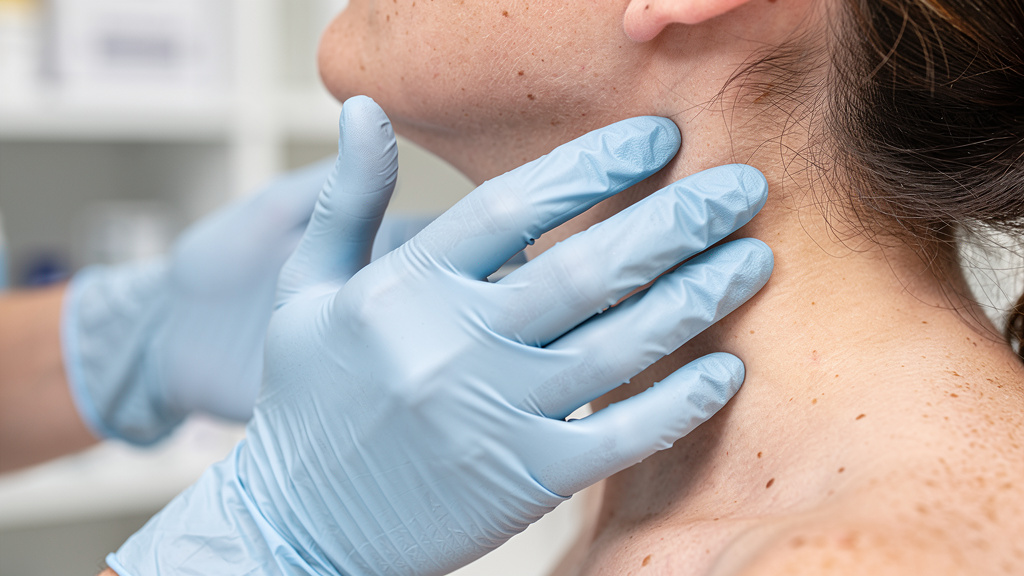
Many people fear medical tests, but thyroid diagnosis is usually straightforward and gentle. Most of the information doctors need comes from a careful discussion, a physical exam, and a few blood tests. In some cases, imaging scans or a fine-needle test may be advised, but these are not needed for every patient.
The aim is to find out whether hormone levels are too high, too low, or normal, and whether the gland has any swellings or nodules. Once the pattern is clear, a treatment plan can be designed. Bharat Medical Hall’s diagnostic centre in Baripada offers the main thyroid tests on site, with home collection for those who prefer not to travel.
What To Expect During Your Medical Evaluation
A thyroid assessment usually begins with a detailed talk about symptoms. The doctor will ask when signs started, how they have changed over time, and how they affect daily life. Questions about sleep, weight, mood, menstrual cycles, bowel habits, and family history of thyroid disease are very common.
A physical examination follows. The doctor will gently feel the front of the neck to check for enlargement, lumps, or tenderness of the thyroid. Heart rate and blood pressure are measured, and reflexes may be tested, because slowed reflexes can suggest hypothyroidism. The doctor also looks at skin, hair, eyes, and general body swelling for extra clues.
Based on this information, the doctor will advise blood tests and, if needed, imaging. At Bharat Medical Hall, Dr Thakura Soren and the team take time to explain what each test is for, so people feel less anxious. It helps to come prepared with a list of medicines, previous illnesses, and written notes of symptoms.
Thyroid Blood Tests
Blood tests are at the heart of thyroid diagnosis and are also used to monitor ongoing treatment. The most important first test is TSH (Thyroid-Stimulating Hormone). This hormone comes from the pituitary gland and tells the thyroid how hard to work. When the thyroid is underactive, TSH levels usually go up as the pituitary pushes it to work harder. When the thyroid is overactive, TSH levels usually fall because the pituitary is trying to slow the gland down.
Alongside TSH, doctors often check:
- Free T4 – the main hormone produced by the thyroid
- Free T3 – the more active form of hormone, often checked in suspected hyperthyroidism
- Thyroid antibody tests, such as anti-TPO, which help confirm autoimmune causes
Low free T4 with high TSH points to hypothyroidism, while high free T4 with low TSH points to hyperthyroidism. Antibodies can suggest Hashimoto’s thyroiditis or Graves’ disease.
At Bharat Medical Hall’s diagnostic centre, these tests are performed with modern equipment and trained technicians. People can visit the lab or request home sample collection for extra comfort. Results are usually available within one to two days, which helps doctors discuss thyroid test findings and next steps without long waits. Regular blood tests are very important once treatment begins, to check that the dose of medicine keeps hormone levels steady.
What Are The Treatment Options For Thyroid Disorders?

Treatment for thyroid disorders depends on the type of problem, how severe it is, and the patient’s age and general health. The main goals are to bring hormone levels back into a healthy range, relieve thyroid problem symptoms, protect organs such as the heart and bones, and improve day-to-day wellbeing.
For hypothyroidism, this usually means replacing the missing hormone with a daily tablet. For hyperthyroidism, treatment may focus on calming the gland with medicines, reducing its activity with radioactive iodine, or removing part or all of it with surgery. Structural problems such as large goitres, nodules, or thyroid cancer may also need surgery, sometimes followed by radioactive iodine and long-term hormone tablets.
Bharat Medical Hall supports these treatment paths by stocking thyroid medicines, offering regular blood tests, and providing counselling to help patients take medicines correctly and stay with long-term plans.
Treatment For Hypothyroidism
The standard treatment for an underactive thyroid is levothyroxine, a tablet version of the T4 hormone that the gland normally makes. By giving the body the hormone it is missing, this medicine helps reset metabolism, lift energy, and slowly clear many low thyroid symptoms.
Treatment usually continues for life, although doses may change with age, weight, pregnancy, or other medicines. Doctors often start with a lower dose and adjust it every few weeks or months based on TSH and free T4 results. Many people begin to feel better within two to three weeks, but full improvement, especially in skin, hair, and weight, can take several months.
To work well, levothyroxine should be taken:
- On an empty stomach with water
- About 30 to 60 minutes before breakfast
- At the same time each day
Calcium and iron tablets, soy-heavy foods, and very high-fibre meals close to the dose can reduce absorption, so spacing them out is wise.
Regular blood tests are needed to fine-tune the dose and avoid both under- and overtreatment. Bharat Medical Hall offers consistent access to levothyroxine and other thyroid medicines, simple prescription refills, and advice on how and when to take the tablets. This steady support helps patients keep their thyroid problem symptoms under control over the long term.
As many specialists reassure patients, “With the right dose and regular checks, most people with thyroid disease live completely normal, active lives.”
Conclusion
Thyroid disorders are common, but they do not have to control anyone’s life. The wide range of thyroid problem symptoms – from thyroid fatigue symptoms and weight changes to mood shifts, bowel problems, and hair loss – can feel confusing. Yet, when seen together, they often point clearly towards the small gland in the neck.
By understanding the difference between hypothyroidism symptoms and hyperthyroidism symptoms, people can notice when something does not feel right. Paying attention to early signs of thyroid problems, especially in women with menstrual or fertility issues and in older adults with low energy and heart concerns, can prevent years of silent suffering.
Diagnosis mainly depends on simple blood tests, and treatment options are well tested and widely available. Most people return to active, comfortable lives once their levels are steady. In Baripada, Bharat Medical Hall serves as a convenient, community-focused centre where residents can get thyroid tests, doctor consultations, and reliable access to medicines, all in one place, with home collection and delivery for added ease.
Anyone recognising several symptoms described in this article can take a positive step by arranging a thyroid check. With the right information, timely testing, and ongoing support, the thyroid can be brought back into balance, and life can feel normal again.
FAQs
What Are The Earliest Thyroid Problem Symptoms People Usually Notice?
Early signs often include tiredness that feels deeper than usual, slight weight changes, and shifts in mood or sleep. Some people notice feeling colder or warmer than others, while others see changes in hair texture or skin dryness. Because these can be mild at first, it helps to think about how long they have been present and whether several have appeared together. If they have lasted for weeks or months, a thyroid test is a sensible next step.
Can Thyroid Problems Cause Both Weight Gain And Weight Loss?
Yes, thyroid disorders can push weight in either direction. With an underactive thyroid, metabolism slows and thyroid weight gain is common, even without eating more. With an overactive thyroid, metabolism speeds up, often causing weight loss despite a normal or increased appetite. In both cases, treating the thyroid problem usually makes weight easier to manage, although healthy eating and activity remain important.
Do All People With Thyroid Disease Lose Their Hair?
Not everyone with thyroid disease has clear thyroid hair loss, but it is quite common, especially when hormone levels are far from normal. Hair may thin, become dry and brittle, or fall out more than usual in the shower or on the pillow. In hypothyroidism, the outer edge of the eyebrows may thin. Once levels are corrected with treatment, hair usually begins to regrow, although this can take several months.
How Often Should Thyroid Levels Be Checked Once Treatment Has Started?
After starting or changing thyroid medicine, doctors usually check blood tests every six to eight weeks until levels settle into the target range. Once stable, many people switch to checks every six to twelve months, unless symptoms change or new medicines are added. At Bharat Medical Hall, patients can schedule regular thyroid profiles and use WhatsApp reminders to keep to their monitoring plan.
Can Thyroid Problems Go Away On Their Own?
Some forms of thyroiditis, especially after infections or childbirth, can improve on their own over months. However, many common thyroid conditions, such as Hashimoto’s hypothyroidism and Graves’ hyperthyroidism, tend to be long term. Even when hyperthyroidism is treated with radioactive iodine or surgery, most people then need lifelong hormone tablets. Because guessing the type is difficult, it is important to work with a doctor, complete tests, and follow their advice on long-term care.
How Can Bharat Medical Hall Help Someone Who Suspects A Thyroid Problem?
Anyone in or near Baripada who suspects thyroid issues can visit or message Bharat Medical Hall to arrange thyroid blood tests, including TSH and hormone levels. Home sample collection is available for those who prefer not to travel. After results are ready, a consultation with Dr Thakura Soren or another doctor can clarify the diagnosis and treatment plan. The pharmacy then provides the needed medicines, with easy refills and home delivery. This joined-up support makes it simpler to move from worrying about symptoms to feeling in control of thyroid health.